

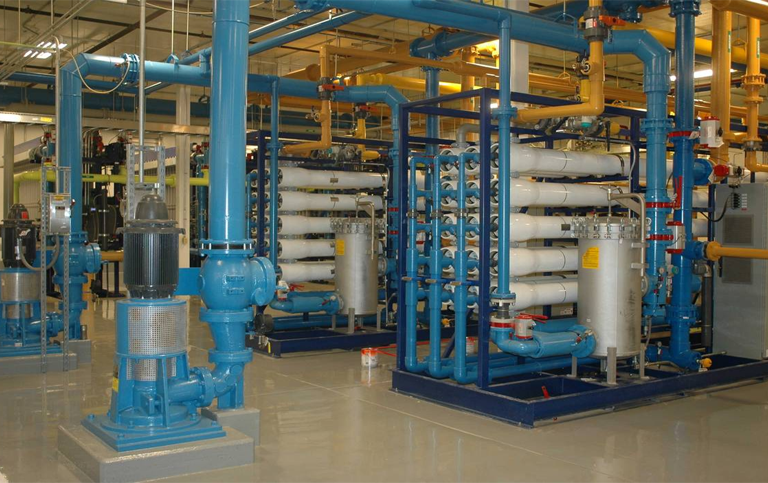
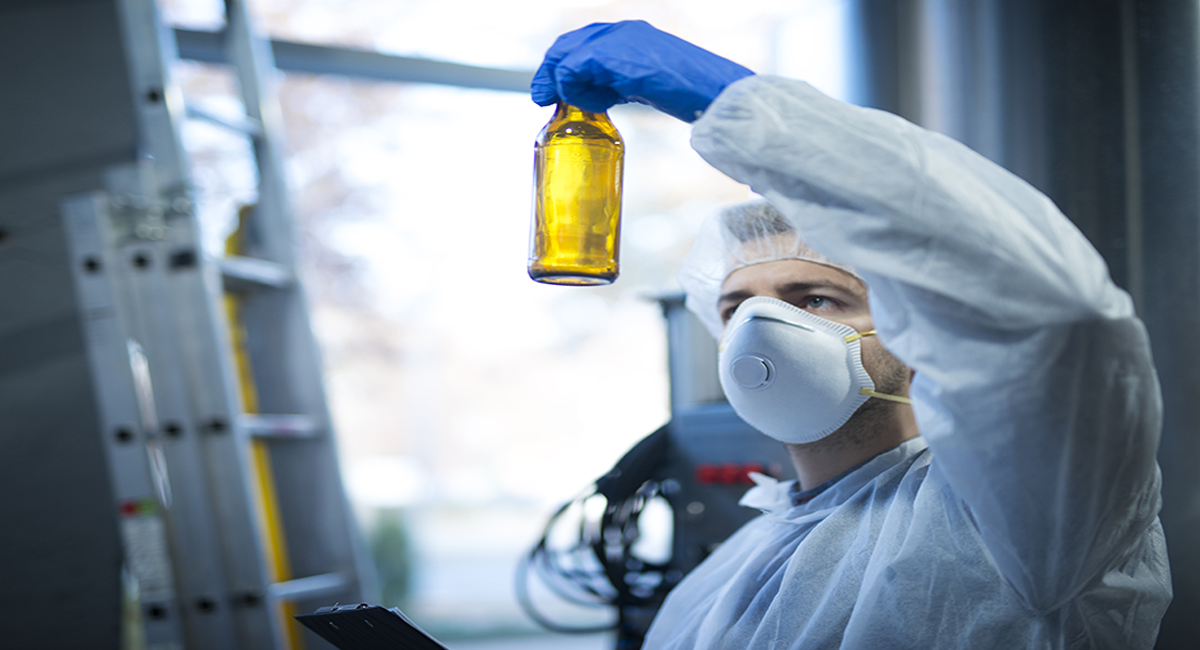
Integrated Water and Wastewater Treatment Solutions for Chemical Industries Using STP, ETP, WTP, WWTP, Industrial RO Systems
India's chemical industry is one of the fastest-growing sectors, contributing significantly to the nation's GDP and export economy. It ranks among the top producers of chemicals globally, covering segments like petrochemicals, agrochemicals, dyes, specialty chemicals, and bulk intermediates. The sector is crucial for various industries, including textiles, pharmaceuticals, and agriculture.The growth of the industry in this region demands responsible resource use, especially in terms of water and wastewater treatment, to align with environmental regulations and public health standards..
Chemical Plants Require High-Volume Water for Processing, Cooling, Washing, and Solvent Dilution
Water is a fundamental resource in chemical manufacturing, used across various stages of production. It is required for raw material processing, chemical reaction control, cleaning of reactors and containers, and dilution of acids, alkalis, and solvents. Without reliable and high-quality water, product consistency and plant safety can be compromised..
Besides direct process use, water is heavily consumed in auxiliary systems such as boilers, scrubbers, cooling towers, and effluent neutralization. The nature and quantity of water usage depend on the type of chemical products being manufactured, making customized water treatment solutions essential to maintain efficiency and compliance.
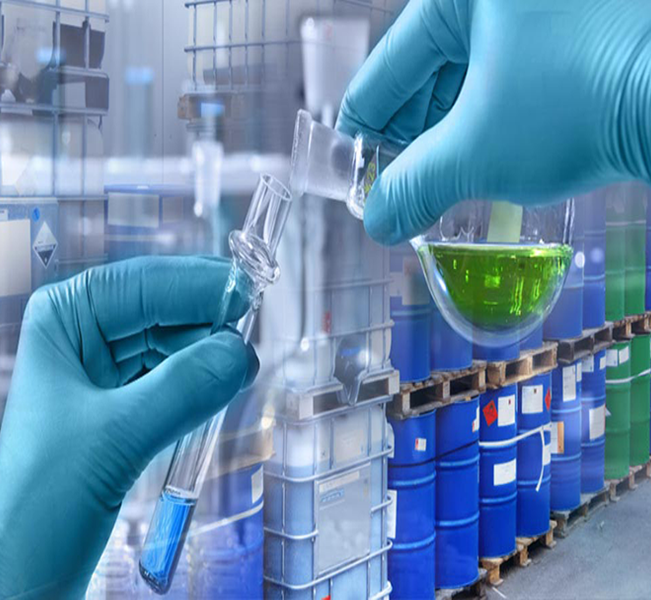
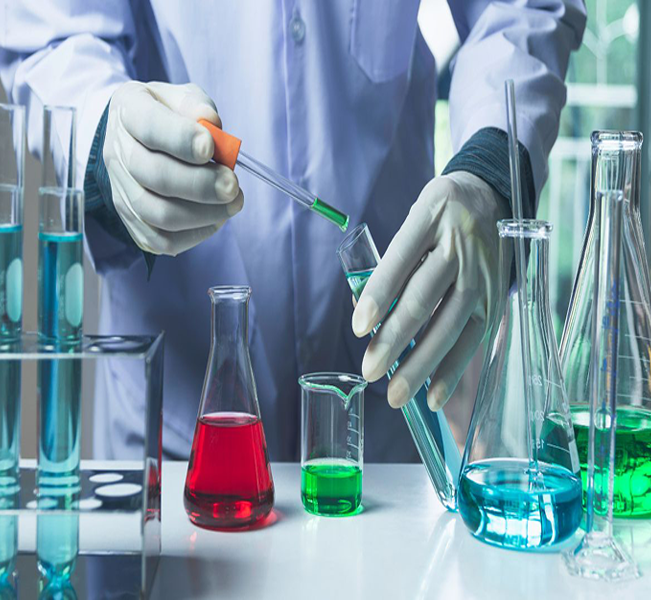
Chemical Industry Wastewater Contains Organic Toxins, Inorganics, Solvents, and High Chemical Oxygen Demand
The wastewater generated by chemical industries is diverse in composition, often containing hazardous and complex pollutants. It typically includes acids, bases, salts, synthetic organic compounds, surfactants, colorants, and oil residues. These can lead to high Chemical Oxygen Demand (COD) and Biological Oxygen Demand (BOD), making them challenging to treat.
In addition, trace heavy metals, pesticides, phenols, and persistent organic pollutants (POPs) may be present depending on the process. Such effluents are toxic and can harm aquatic ecosystems, contaminate groundwater, and affect human health if improperly managed. Specialized treatment systems are essential to neutralize and eliminate these threats.

