
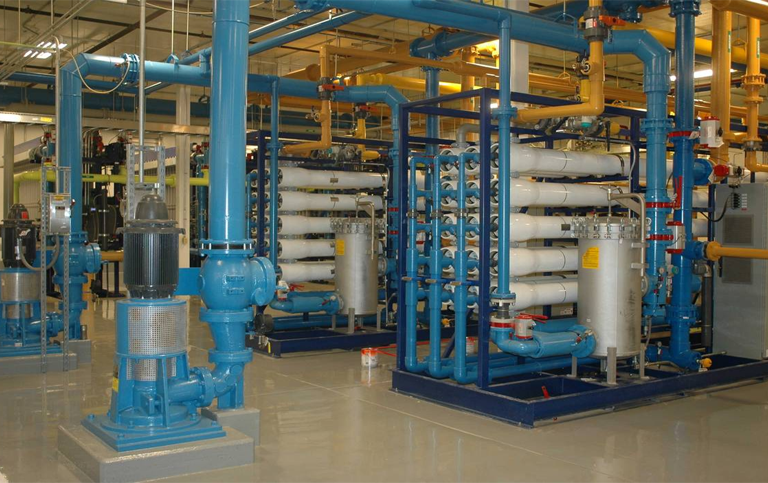
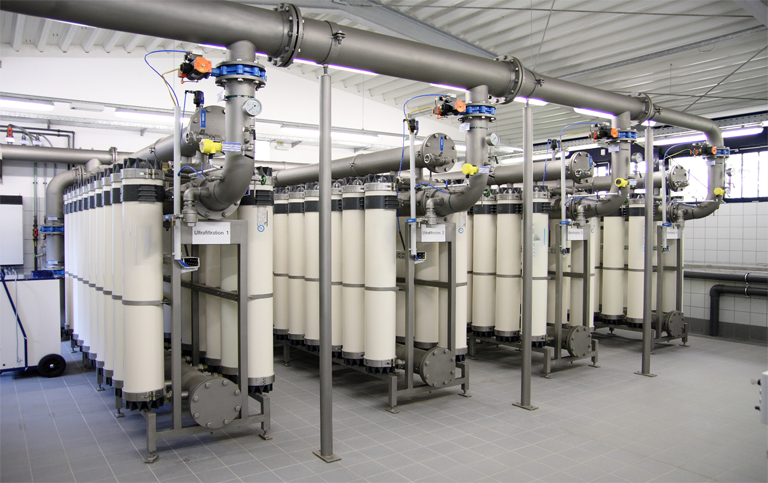
Comprehensive Water and Wastewater Treatment Solutions for the Pharmaceutical Industry Using STP, ETP, WTP, WWTP, Industrial RO Systems
India stands among the top global producers of pharmaceuticals, exporting to over 200 countries and fulfilling nearly 20% of the worldwide demand for generic medicines. The country hosts thousands of pharmaceutical manufacturing units, ranging from small-scale producers to multinational giants. This industry is critical not only for the economy but also for public health.
being an industrial powerhouse, is home to a large concentration of pharmaceutical hubs, particularly in cities like Pune, Mumbai, Nashik, and Aurangabad. The state's pharmaceutical landscape includes formulations, bulk drugs, and R & D centers. With such widespread activity, managing resources like water and ensuring responsible wastewater treatment is vital for sustainable operations.
Water is Critical in Pharmaceutical Manufacturing, Processing, Cleaning, and Quality Control Applications.
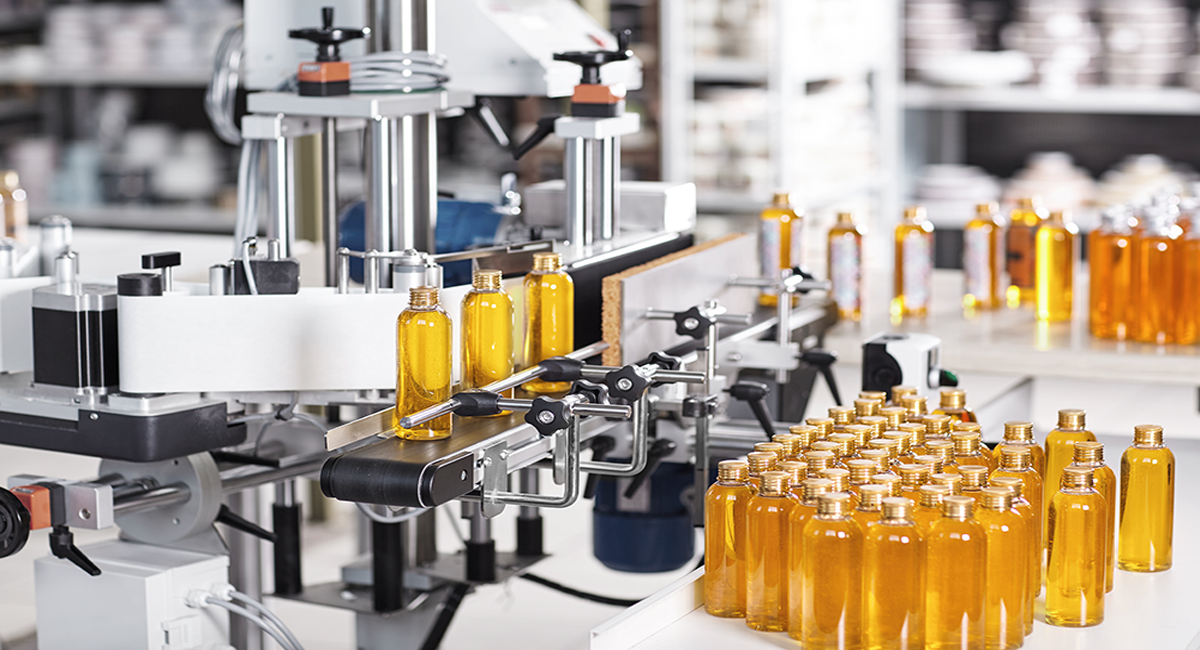
The pharmaceutical industry consumes a substantial volume of water in various processes, including manufacturing, formulation, cooling, and cleaning. Water is required for active pharmaceutical ingredient (API) synthesis, reactor washing, preparation of drug solutions, and maintaining sterile conditions throughout production lines.
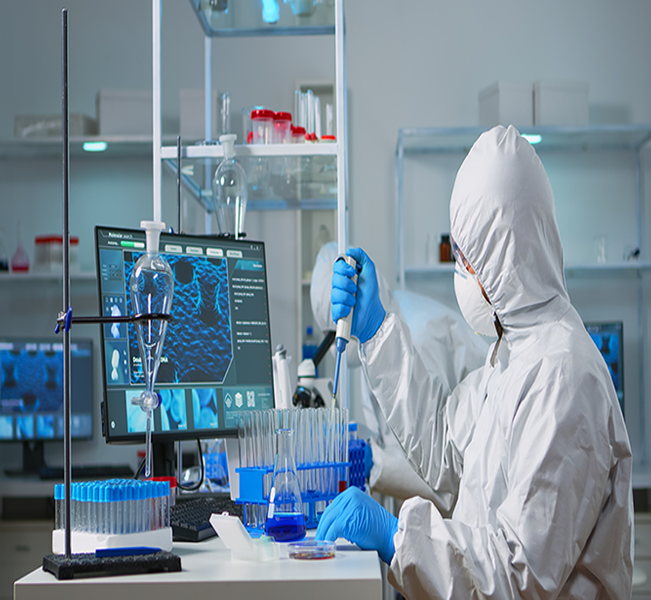
Ultra-pure water (UPW) and purified water are essential in laboratories, tablet coating, and injection preparations. Besides direct use in processes, water is also vital in HVAC systems, boilers, and general plant sanitation. Ensuring a consistent and contaminant-free water supply is key to maintaining product quality and regulatory compliance, especially in export-driven units.
Pharmaceutical Wastewater Contains Toxic Chemicals, Drug Residues, and High Organic Loads.
The wastewater from pharmaceutical units is highly variable and often contains hazardous pollutants. Common contaminants include antibiotics, antiseptics, solvents, hormones, and organic acids. Some effluents also carry suspended solids, colorants, and high biological oxygen demand (BOD).
In addition to high chemical content, the presence of active pharmaceutical ingredients (APIs) in wastewater poses serious environmental threats, such as the promotion of antimicrobial resistance. Treating such wastewater demands specialized processes beyond standard domestic effluent treatment, making proper identification and segregation critical at the source.
Customized ETPs and STPs Ensure Pharmaceutical Wastewater Is Treated to Meet Regulatory Norms
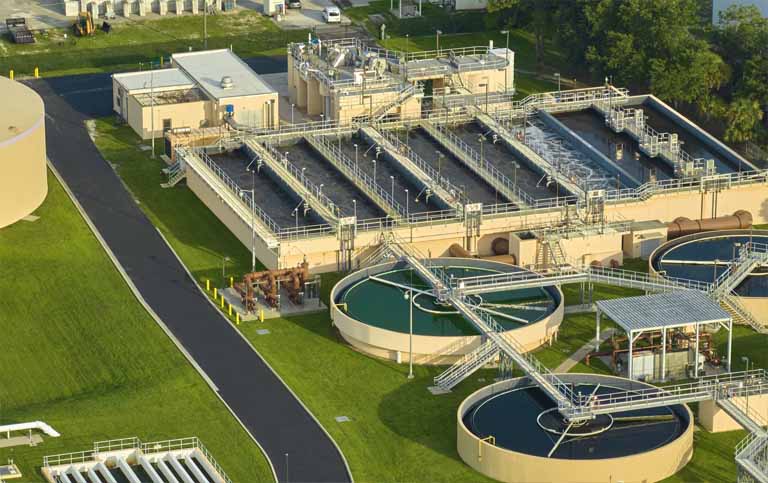
Pharmaceutical industries adopt a combination of physical, chemical, and biological processes to treat their wastewater. The most common systems include Effluent Treatment Plants (ETPs) and Sewage Treatment Plants (STPs), tailored to handle toxic and non-toxic waste streams separately.
Treatment begins with primary filtration and chemical neutralization, followed by aerobic or anaerobic digestion and advanced oxidation techniques. In some cases, membrane-based filtration and activated carbon filters are used for final polishing. Strict monitoring is essential to ensure discharge meets CPCB and FDA compliance, especially in units exporting to stringent regulatory markets.
We Provide Tailored Water Treatment Solutions Specifically Designed for Pharmaceutical Manufacturing Units.
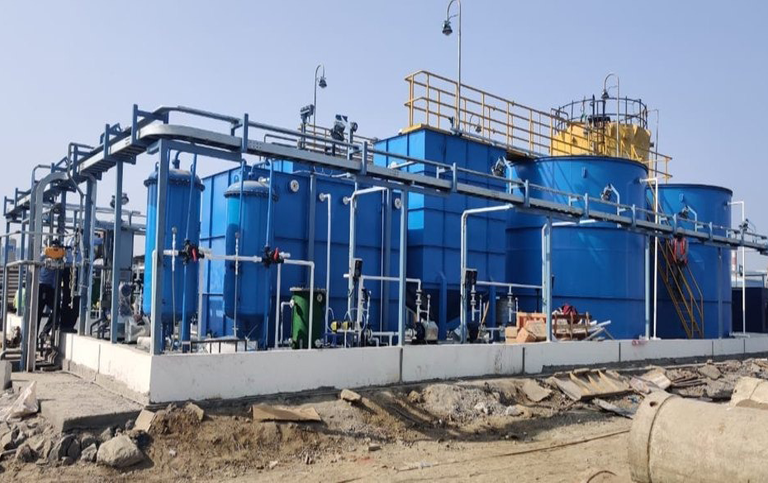
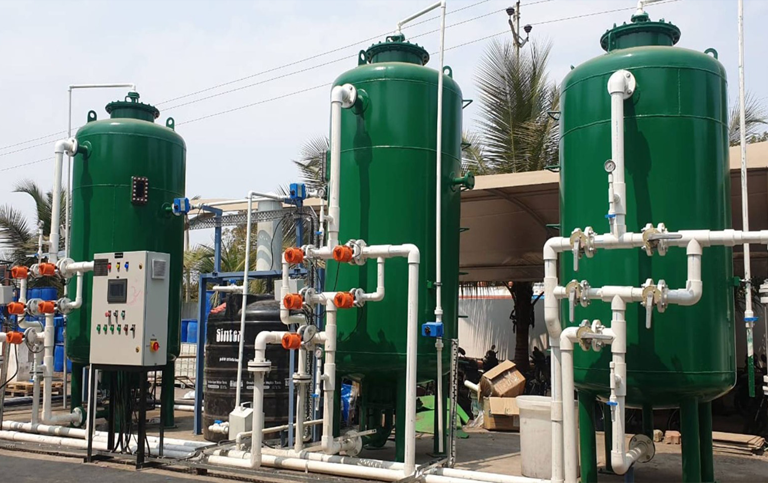
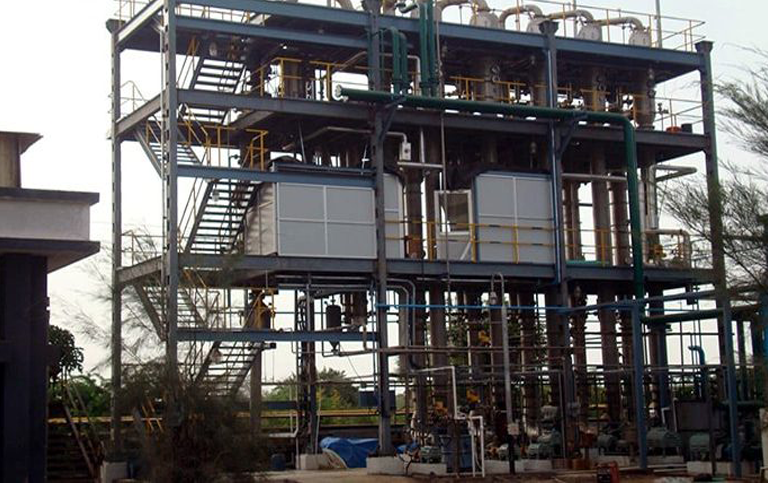
We offer specialized design, installation, and support services for STP, ETP, WTP, and RO systems for pharmaceutical plants. Our team evaluates your facility's operations to engineer high-efficiency water treatment plants that are compliant with both Indian and international norms.
Whether it's greenfield development or the upgradation of existing infrastructure, we deliver turnkey projects backed by AMCs, operator training, and digital monitoring tools. We ensure minimized downtime, regulatory compliance, and long-term efficiency. By choosing us, clients benefit from industry knowledge, reliable technology, and end-to-end support tailored to pharmaceutical standards.
Conclusion: Building Sustainable Pharmaceutical Operations Through Water Management
The pharmaceutical industry's reliance on water for production, quality control, and facility operations makes water treatment an absolute necessity. With increasingly strict regulations and global sustainability demands, responsible wastewater management is not just good practice—it's a competitive advantage.
pharma companies are adopting innovative treatment technologies to recycle, reuse, and responsibly discharge water. By partnering with expert solution providers, these companies can ensure operational excellence, environmental compliance, and a stronger reputation in global markets. Sustainable water management is the foundation of future-ready pharmaceutical operations.

