

Water and Wastewater Management Solutions for Pulp and Paper Industries Using ETP, STP, RO, WWTP, WTP, and Modern Technologies
The paper industry in India has grown into a crucial sector, supporting education, packaging, and commercial printing. India is one of the largest paper producers in Asia, with a mix of small, medium, and large-scale mills. This industry contributes significantly to employment and economic development in both rural and industrial regions.several paper mills, thanks to its abundant raw material availability and transportation facilities. With increasing demand for eco-friendly packaging and sustainable products, the paper industry continues to expand. However, the production process is water-intensive and generates considerable wastewater, which requires efficient treatment and compliance with pollution norms.
several paper mills, thanks to its abundant raw material availability and transportation facilities. With increasing demand for eco-friendly packaging and sustainable products, the paper industry continues to expand. However, the production process is water-intensive and generates considerable wastewater, which requires efficient treatment and compliance with pollution norms.
Paper manufacturing relies heavily on water for pulping, bleaching, and machine operations.
Water is essential in every stage of paper production. It acts as a carrier in the pulping process, helps in the dilution of chemicals during bleaching, and is used extensively in paper machines for sheet formation and finishing. Clean, high-quality water ensures consistent paper texture and strength.Apart from the primary process, water is also used in utility operations such as cooling, boiler feed, and equipment washing. A typical paper mill consumes thousands of liters per ton of paper produced. Managing this volume sustainably by treating and recycling water is becoming increasingly important for cost control and environmental responsibility.
Pulping, bleaching, and cleaning operations are primary sources of effluent in paper mills.
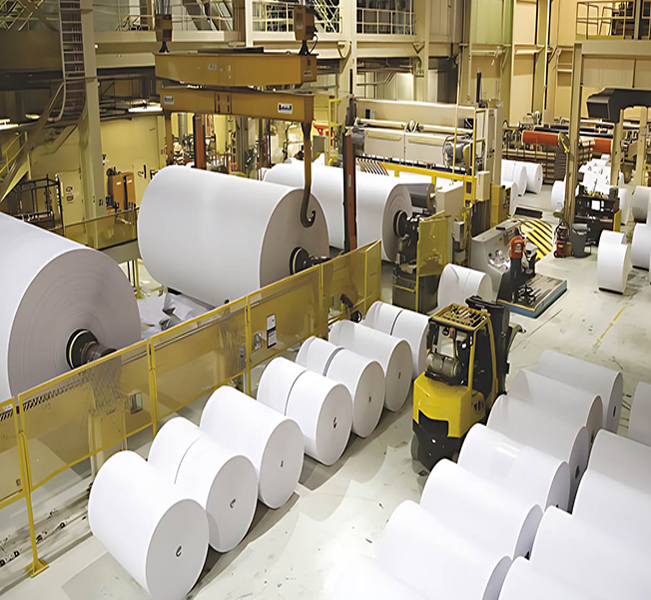
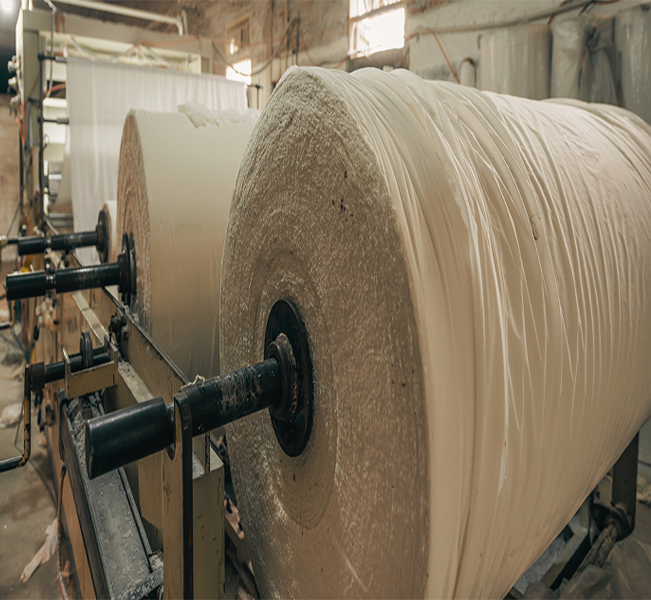
Pulping and chemical treatment processes generate most of the wastewater in paper industries. During pulping, lignin and other organic matter are dissolved, producing dark-colored, organic-rich effluent. The bleaching process introduces chlorine compounds and other chemicals, which further pollute the water stream.
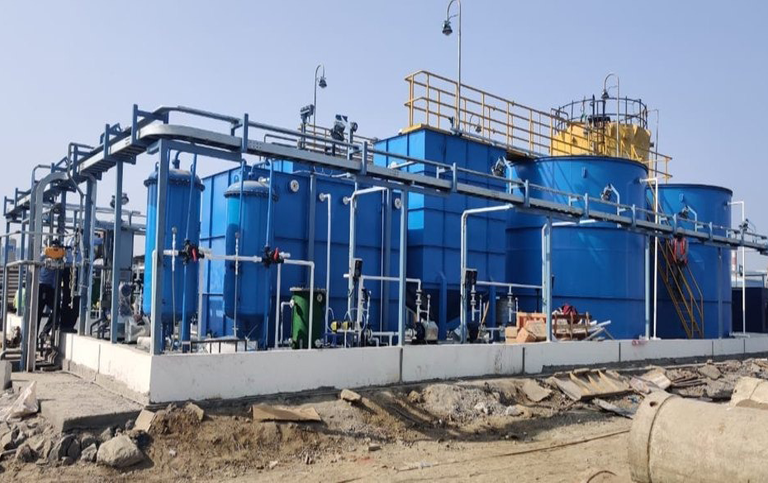
Additional wastewater is generated from equipment cleaning, cooling tower blowdown, and utility discharge. These sources release solids, high BOD/COD, and often harmful chlorinated organics. Without proper treatment, this wastewater can pollute nearby water bodies and soil, leading to regulatory penalties and environmental degradation.
The effluent contains high BOD, COD, suspended solids, and harmful chlorinated organic matter.
The wastewater from paper industries typically includes high concentrations of biological oxygen demand (BOD), chemical oxygen demand (COD), suspended solids, and toxic chemicals. Black liquor from pulping is one of the most polluting streams, rich in lignin, hemicellulose, and colorants.
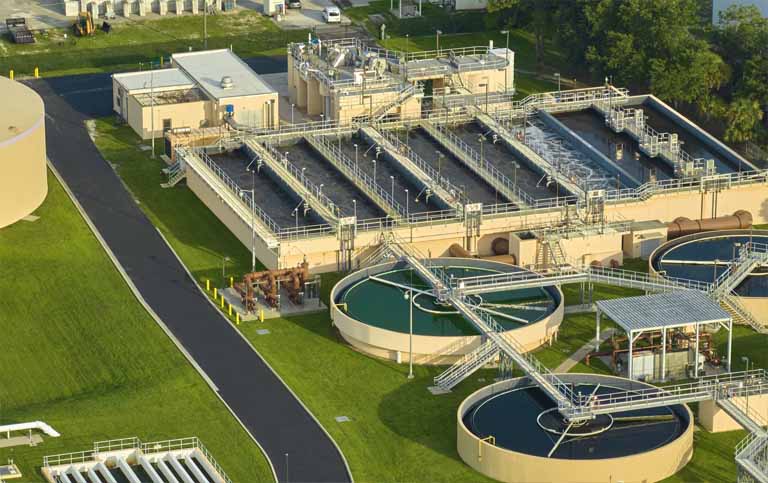
In bleached paper production, the wastewater also contains chlorinated compounds like dioxins and furans, which are harmful to aquatic life and human health. Additional contaminants include alkalis, acids, and dyes. These pollutants demand a multistage treatment system to bring the effluent within safe discharge limits or make it suitable for reuse.
Paper mills adopt RO, DAF, and automation for water recycling and zero liquid discharge
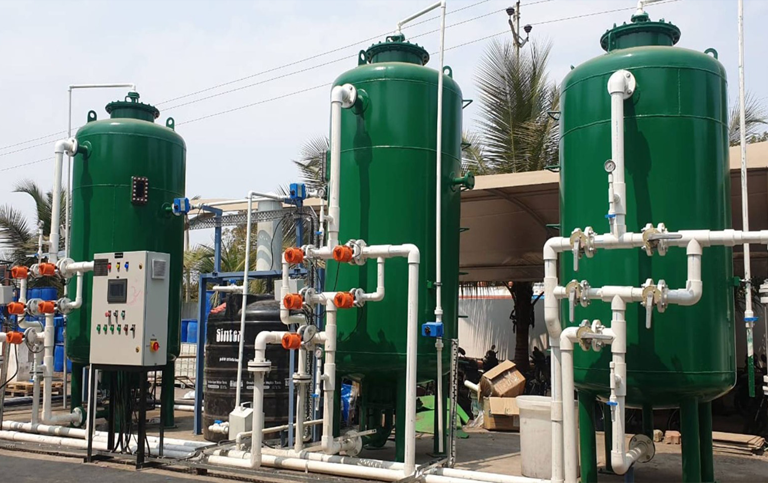
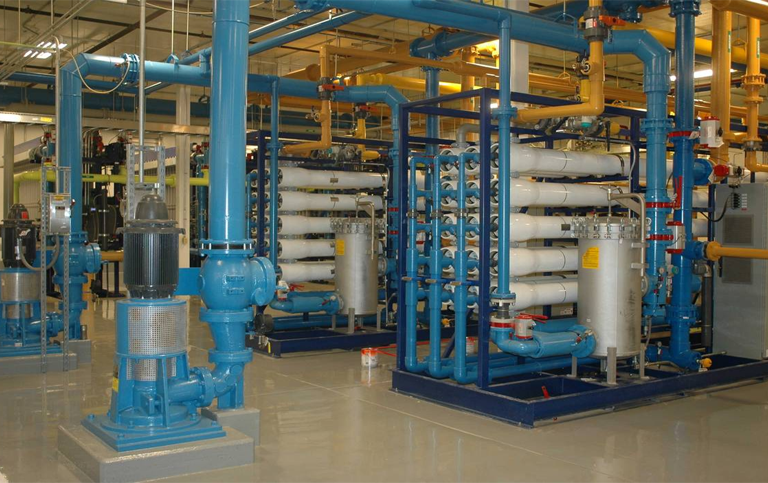
To minimize freshwater use, many paper industries are shifting toward closed-loop water systems. Advanced technologies such as Dissolved Air Flotation (DAF), Reverse Osmosis (RO), and Membrane Bioreactors (MBR) are used to recover water from treated effluent.
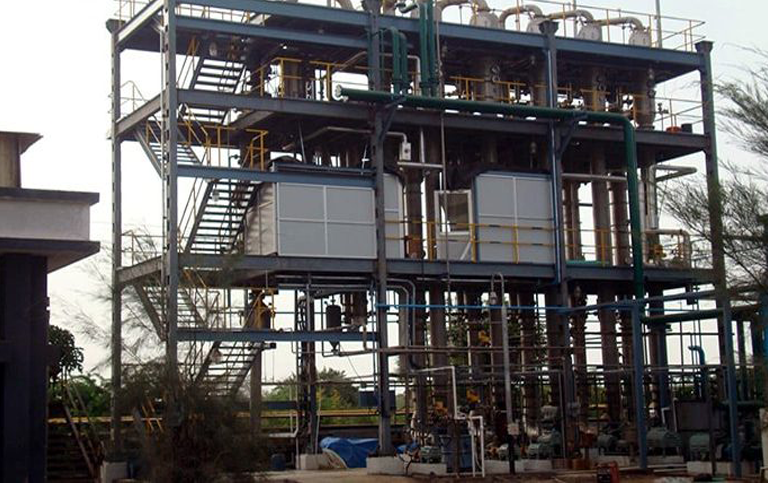
Automation systems and SCADA monitoring improve the efficiency of water treatment plants, ensuring optimal performance and minimal wastage. Some mills have adopted Zero Liquid Discharge (ZLD) strategies, using evaporators and condensers to recover water and concentrate waste for safe disposal. These innovations make operations more sustainable and cost-effective.

