
Water and Wastewater Treatment Solutions for Schools and Colleges Using STP, ETP, WTP, RO, and WWTP Technologies
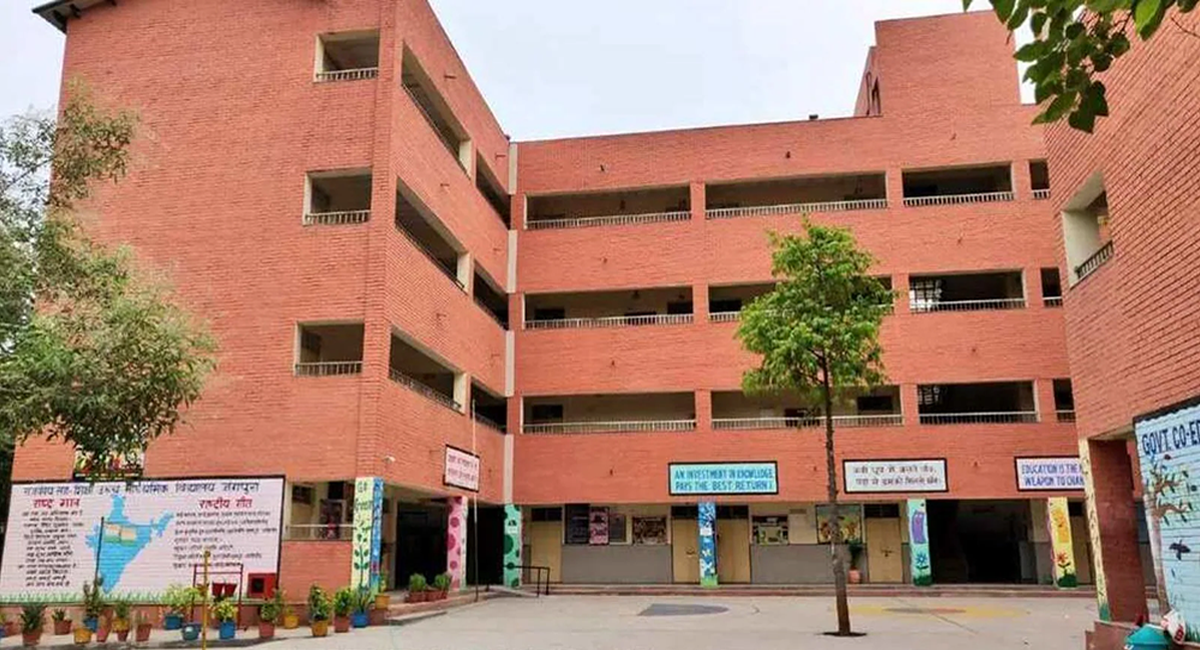
Education infrastructure in India, particularly in Maharashtra, has grown rapidly, with thousands of schools, colleges, and universities serving millions of students. These institutions are not just academic centers but also large campuses that operate like small communities, consuming significant resources daily.
From prestigious universities in india to public schools in india, managing resources effectively has become vital. This includes efficient water usage and proper wastewater disposal to ensure hygiene, sustainability, and compliance with environmental regulations.
Drinking, sanitation, kitchen use, and gardening demand consistent clean water supply.
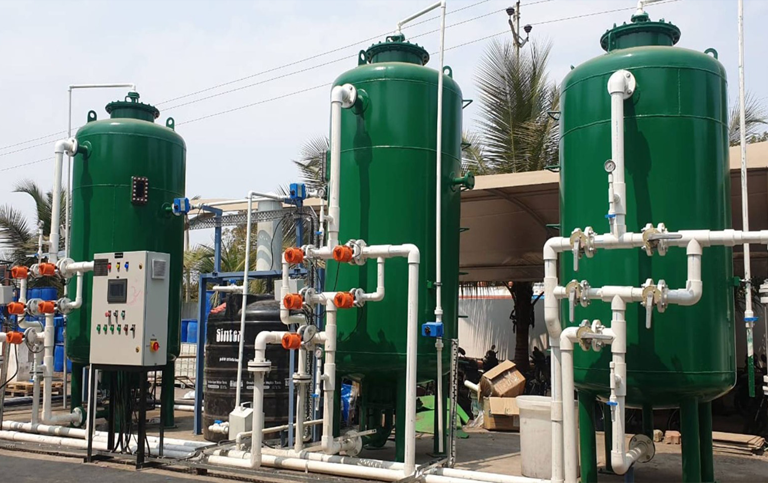
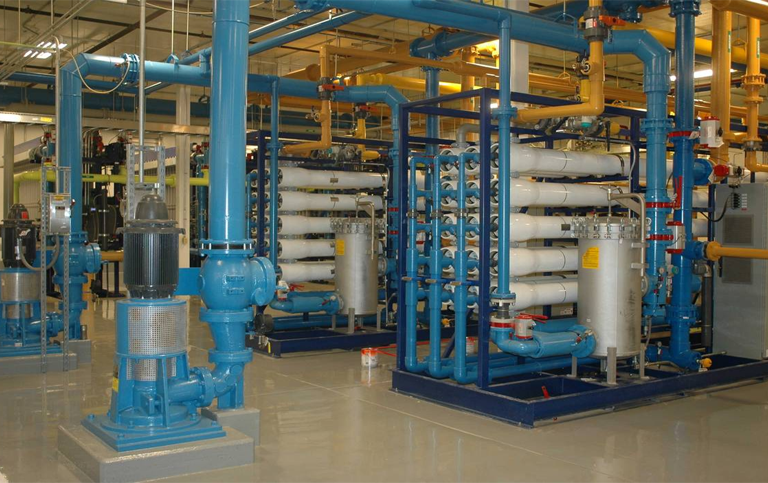
Water is indispensable in educational institutions for daily needs such as drinking, cooking in hostels or canteens, sanitation in restrooms, and maintaining green areas on campus. With hundreds or thousands of students and staff on-site, the demand is continuous and significant.Additionally, science labs, libraries, sports grounds, and hostel facilities require water. Hence, having a dependable water treatment plant (WTP or RO system) ensures the supply of clean, potable water throughout the day.
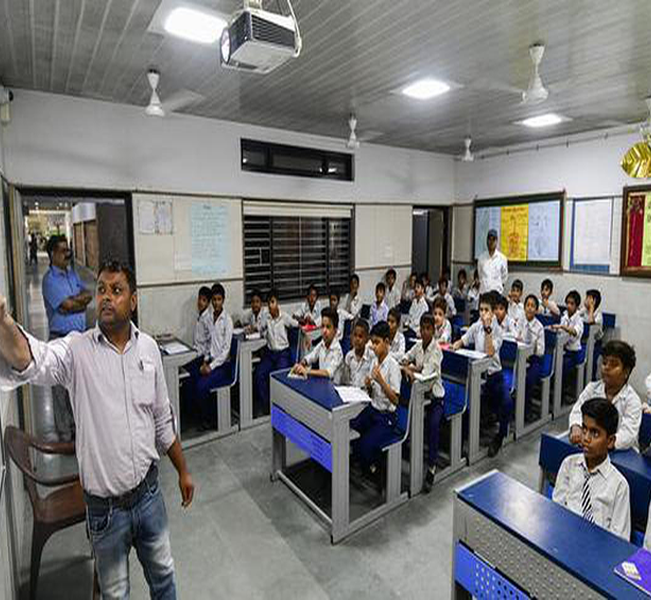
Sanitation, kitchens, laboratories, and cleaning operations are significant sources of wastewater..
Restrooms, hostel kitchens, science labs, and daily cleaning activities generate a significant amount of wastewater on campuses. Canteens produce greywater rich in oil and food waste, while restrooms generate blackwater that must be adequately treated.
Laboratories may discharge chemical-containing water, while janitorial services release detergent-laden water. All these streams require careful treatment before disposal or reuse to maintain hygiene and meet local environmental standards.
Sewage, greywater, and laboratory discharge form the major wastewater types.
Educational campuses produce various wastewater types—blackwater from toilets, greywater from bathing and washing, and wastewater from science labs. Hostel kitchens add organic waste, grease, and oils to the mix, while cleaning operations introduce detergents and disinfectants.
These wastewater types differ in contamination levels, and all require customized treatment approaches. For example, sewage may be treated biologically, while lab waste may require chemical neutralization before discharge.
STPs and ETPs ensure the safe disposal or reuse of campus-generated wastewater.
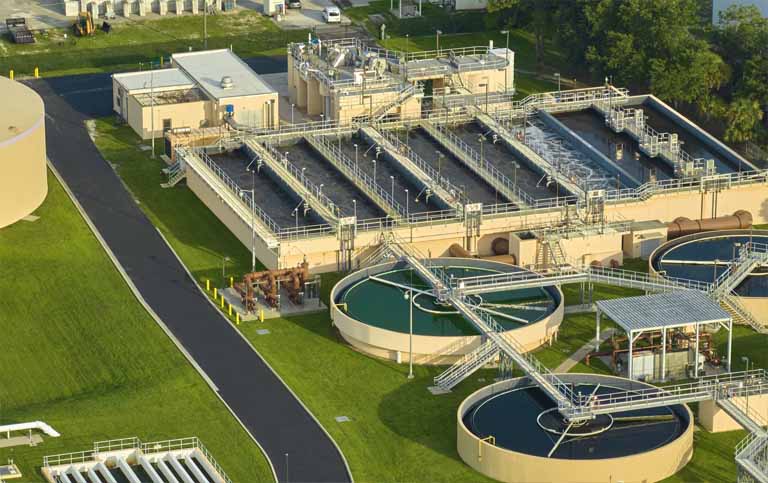
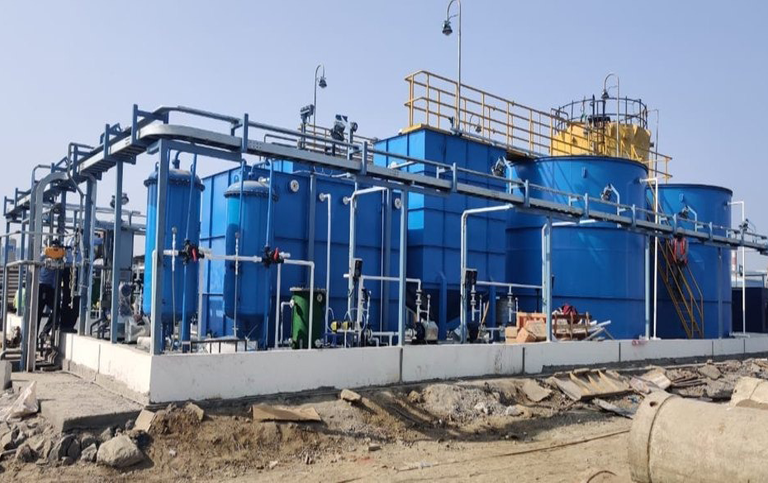
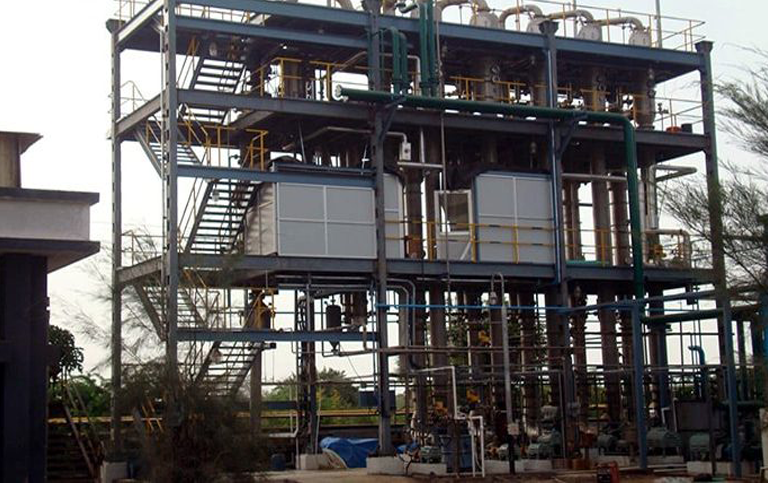
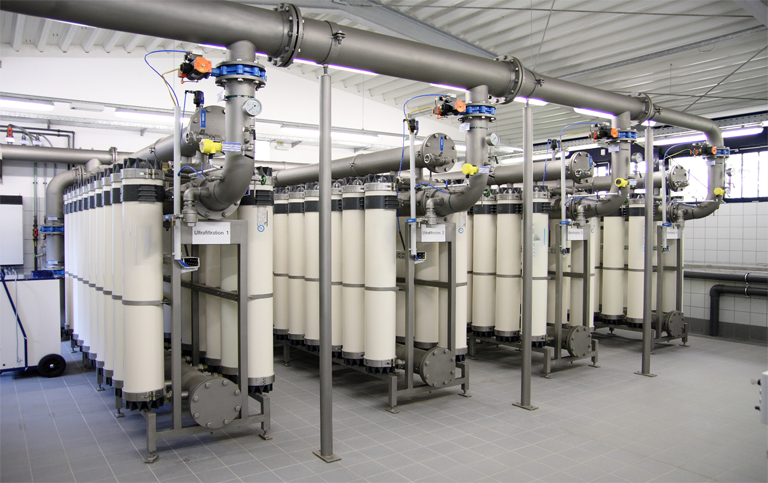
Schools and colleges use Sewage Treatment Plants (STPs) to process domestic wastewater from toilets and kitchens. Larger campuses, especially universities, may also have Effluent Treatment Plants (ETPs) to handle wastewater from laboratories or technical departments.
These plants employ biological, mechanical, and sometimes chemical treatment methods. Once treated, the water can be safely reused for non-potable purposes like flushing, gardening, or even HVAC systems, minimizing waste and conserving fresh water.
Customized STP, ETP, and WTP design, installation, and maintenance for educational campuses
We offer complete solutions for water treatment in educational facilities—from design to installation and after-sales support. Our modular STPs, ETPs, WTPs, and RO units are space-efficient and tailored to meet the needs of schools and universities.
We also provide training, AMC, and retrofitting of existing systems. With our experience, we help institutions meet environmental norms while reducing their water costs and improving sustainability. Whether a small school or a large university, we scale solutions accordingly.

